In an increasingly interconnected world, communication across languages has become essential in both personal and professional domains. AI translation technology plays a pivotal role in bridging language barriers, allowing individuals from diverse backgrounds to engage meaningfully. This technology harnesses machine learning and natural language processing to provide real-time translations with impressive accuracy, making it a groundbreaking solution for achieving effective cross-cultural communication.
The development of AI translation has progressed significantly over the past few years, moving from basic phrase translation to more sophisticated understanding of context, nuances, and idiomatic expressions. This marks a departure from traditional translation methods, where human translators often faced limitations due to time constraints or lack of language proficiency. Today’s AI-powered tools can process vast amounts of data, empowering them to learn languages dynamically and adapt to individual speaking styles.
One of the most innovative applications of this technology comes in the form of instant translation earbuds. These compact devices utilize advanced algorithms to facilitate seamless conversations between speakers of different languages. The earbuds operate by capturing spoken words, processing them through an AI model, and delivering instantaneous translations directly to the user’s ears. This capability not only enhances the flow of dialogue but also reduces the frustration often associated with language barriers.
As we delve deeper into the features of AI instant translation earbuds later in this blog post, it is crucial to acknowledge the significant impact this technology has on global communication. By providing immediate translations, it enhances accessibility, fosters understanding, and ultimately promotes collaboration on a larger scale. The future of communication is being shaped by such innovations, and AI translation technology stands at the forefront of this transformation.

The 168 Languages Translation Earbuds represent a significant advancement in communication technology, providing an unparalleled translation experience across a vast array of languages. One of the standout features of these earbuds is their ability to instantly translate between 168 languages, ensuring that users can communicate effectively no matter where they are in the world or what language barriers they face. This functionality is powered by advanced artificial intelligence algorithms that enable real-time processing and translation, offering seamless conversations without the need for cumbersome devices or apps.
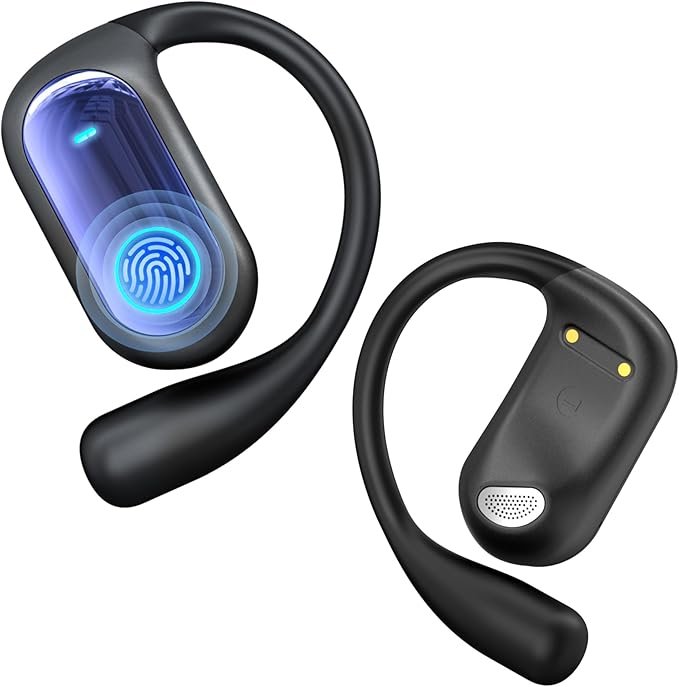
In addition to their impressive translation capabilities, these earbuds are designed for comfort and user-friendliness. They feature an ergonomic design that fits snugly and securely in the ear, making them suitable for prolonged use without discomfort. The lightweight construction ensures that users can wear them for extended periods, whether they are engaging in business meetings, traveling, or simply enjoying conversations with friends from different backgrounds.
Wireless functionality adds another layer of convenience, as the earbuds connect effortlessly to smartphones, laptops, or tablets via Bluetooth. This wireless connectivity provides users with the freedom to move around without the hassle of tangled wires, making it particularly useful in dynamic environments. Furthermore, the earbuds come equipped with noise-canceling technology that enhances the listening experience by minimizing background noise, thereby improving the clarity of both the translated audio and the original conversation.
Ultimately, the integration of AI technology ensures that users benefit from quick learning capabilities, meaning the device can adapt to varied accents and dialects, continually improving translation accuracy over time. This combination of design, functionality, and cutting-edge technology distinguishes the 168 Languages Translation Earbuds as a revolutionary tool for global communication.
The advent of AI-driven instant translation technology has transformed communication across linguistic barriers. At the core of this innovation is a sophisticated system that captures audio input and processes it in real-time. The process begins when the user speaks into the earbuds, where a miniature microphone captures the audio signal. This audio is then digitized for further processing.
Once the audio is captured, it is sent to an onboard processor where advanced natural language processing (NLP) algorithms play a crucial role. These algorithms are designed to understand the nuances of spoken language, recognizing phonemes, words, and sentences with high accuracy. The use of deep learning and neural networks enables the system to adapt and improve its translation capabilities continuously, learning from various speech patterns and accents.
After the audio has been converted into text, the next phase involves translation. Here, sophisticated translation models, often based on machine learning techniques, convert the text from the source language into the target language. These models are trained on large datasets comprising diverse language pairs, ensuring that the translations are not only accurate but also idiomatic. This phase is particularly critical as it ensures that subtleties like context and tone are preserved.
Finally, the translated text is synthesized back into audio form through a text-to-speech system, providing users with an instant verbal translation. The earbuds’ speakers then relay this audio to the user, all of which happens in mere seconds. The culmination of these processes allows for seamless conversation between individuals who speak different languages, effectively breaking down communication barriers in real-time.
The advent of AI instant translation technology, such as the 168 languages translation earbuds, has transformed the way individuals communicate across linguistic barriers. Users can expect a seamless experience, starting from the moment they unbox the device. The earbuds are designed for intuitive use—simply place them in your ears, connect to the accompanying app, and select your desired languages. This straightforward setup minimizes technical hurdles, allowing users to focus on conversations rather than navigating complex technology.
Sound quality is a critical factor in the performance of translation earbuds. Users often report clear audio output and accurate translations, which are essential for effective communication. The earbuds are engineered to filter out background noise, enhancing the listening experience and ensuring that users can concentrate on the translated dialogue without distractions.
Battery life is another vital aspect that users will appreciate. A full charge typically allows for extended use throughout the day, making the earbuds reliable for meetings, travel, or casual conversations. However, users should be mindful of the specific battery duration, which can vary based on usage patterns and the features being utilized.
Comfort is paramount, especially during prolonged use. The design of the earbuds prioritizes ergonomics, ensuring that they can be worn comfortably for hours without causing discomfort. Nevertheless, users with specific sensitivities may wish to try different ear tip sizes to find the optimal fit.
Despite their many advantages, challenges may arise. Users may encounter issues with connectivity or experience delays in translation during fast-paced conversations. It is essential for users to approach the technology with realistic expectations, recognizing both its capabilities and limitations.

In an increasingly globalized world, effective communication across language barriers is vital. Traditional translation tools, which include translation apps, dictionaries, and handheld translators, have been widely utilized for this purpose. However, the advent of AI instant translation earbuds presents a compelling alternative that merits a thorough comparison.
Translation apps are among the most popular tools available today. They offer features such as text translation and voice recognition, making them convenient for many users. However, relying on a smartphone often necessitates an active internet connection, which might not always be accessible. Moreover, fluctuating device battery levels, screen size limitations, and the need to navigate multiple functions can hinder the overall user experience.
On the other hand, handheld translators provide a portable solution with a dedicated focus on language interpretation. They usually boast built-in translation capabilities for specific languages but can be cumbersome to carry and may lack features found in modern earbuds. Additionally, traditional translators typically have slower response times and require users to input text manually, which can impede the flow of conversation.
AI instant translation earbuds, such as the newly developed 168 languages model, offer distinct advantages over these traditional tools. The earbuds provide hands-free operation that allows for seamless communication in real time. Users can engage in conversations without the interruptions of switching between apps or devices. Furthermore, they are designed for immediate feedback, promoting a more natural interaction between speakers of different languages. The integration of artificial intelligence enables these earbuds to learn and adapt to individual users’ speech patterns, enhancing translation accuracy and efficiency over time.
In essence, while traditional translation tools remain useful, the shift towards AI instant translation earbuds presents a more efficient, user-friendly, and innovative approach to breaking down language barriers. As technology continues to advance, the convenience and effectiveness of these earbuds are likely to redefine communication practices across diverse linguistic landscapes.
Instant translation earbuds are significantly transforming communication across various fields and situations. One prominent use case is travel. Tourists often face language barriers when navigating foreign cities. With these advanced earbuds, travelers can engage with locals, ask for directions, or shop confidently in markets, enhancing their overall experience and allowing for authentic interactions.
In the realm of international business, communication efficiency is paramount. Business meetings often involve participants from multiple countries, each speaking different languages. Instant translation earbuds enable seamless discussions by providing real-time translations of dialogues. This functionality fosters collaboration and innovation, ensuring that all parties contribute equally, regardless of their native language.
Furthermore, educational settings are increasingly becoming multicultural. Students from diverse linguistic backgrounds can benefit significantly from instant translation technology. For instance, in classrooms where teachers and students may not share a common language, these earbuds facilitate an inclusive learning environment. They allow both educators and learners to comprehend and partake in lessons, thereby enriching the educational experience and promoting diversity.
Additionally, diverse communities within cities and towns often comprise individuals from various linguistic backgrounds. Instant translation earbuds can assist in fostering understanding and relationships among residents. When attending community events or local meetings, individuals can communicate effectively, breaking down barriers that might otherwise hinder community engagement. This technology thus plays a pivotal role in promoting social inclusion.
Through these practical applications, instant translation earbuds demonstrate their potential to revolutionize communication. By making interactions more accessible, they contribute significantly to personal and professional relationships in our increasingly globalized world.
In recent years, instant translation technologies have become increasingly popular, particularly in the realm of communication. The introduction of the 168 Languages AI Instant Translation Earbuds is a game changer, especially considering their affordability and the absence of a subscription model. This feature is especially appealing to users who wish to manage their expenses without the burden of continuous payments, a common drawback with many other translation services available in the market.
Typically, various translation applications and devices require users to subscribe to a monthly or annual plan, which can accumulate significant costs over time. In contrast, the 168 Languages translation earbuds are offered at a one-time purchase price, providing unparalleled value for individuals who travel frequently or engage in multilingual interactions. This structure not only eliminates ongoing expenses but also allows users to access translation capabilities without worrying about subscription renewals or additional fees.
Furthermore, this straightforward pricing strategy enables consumers to budget more effectively. The initial investment in the earbuds encompasses all 168 languages offered, ensuring users have unlimited access to translation features without incurring any hidden costs. Therefore, individuals can rely on the earbuds as a cost-effective solution for language barriers, enhancing communication in various contexts such as travel, business meetings, or social engagements.
Ultimately, the economic advantages of the 168 Languages AI Instant Translation Earbuds redefine how individuals approach translation needs. By forgoing the traditional subscription model, users can enjoy efficient communication without the stress of mounting expenses. This combination of affordability and practicality positions these earbuds as an essential tool for anyone seeking seamless multilingual interactions.
User reviews and feedback for the 168 Languages AI Instant Translation Earbuds have showcased a diverse range of experiences, underlining both the product’s strengths and areas needing enhancement. Many users have lauded these earbuds for their exceptional translation capabilities, citing their ability to instantaneously interpret multiple languages with remarkable accuracy. For travelers and professionals interacting in multilingual environments, the convenience these earbuds provide is often emphasized as a game-changer. Users have reported that the clarity of translations facilitates smoother conversations, often alleviating the stress associated with language barriers.
Additionally, the wireless design has received positive feedback for its comfort and ease of use. Several reviewers have highlighted the earbuds’ lightweight nature, allowing for prolonged wear without discomfort. The quick pairing feature with smartphones and other devices has also been praised, streamlining the setup process. These features contribute to an overall user-friendly experience that many recommend to others seeking effective language translation options.
However, not all reviews paint a wholly positive picture. Some users have encountered challenges, particularly with less commonly spoken languages, where translation accuracy occasionally falters. A number of reviews noted that in noisy environments, the effectiveness of the earbuds may diminish, making it difficult to capture clear audio. Furthermore, concerns regarding battery life have been expressed, with several users indicating that extended usage can lead to rapid depletion of power, necessitating frequent recharges during travel.
In conclusion, the user reviews and feedback reflect a generally favorable impression of the 168 Languages AI Instant Translation Earbuds, balanced with constructive critiques that highlight areas for improvement. As developers continue to refine the technology, user insights will play a crucial role in shaping future iterations of these innovative communication tools.

The advent of AI translation earbuds, capable of understanding and converting 168 languages in real-time, marks a significant milestone in the evolution of communication technology. By leveraging cutting-edge artificial intelligence, these devices not only facilitate immediate understanding across diverse language barriers but also enhance the richness of cross-cultural exchanges. This innovative technology has the potential to alter the very landscape of global interactions, allowing individuals from diverse backgrounds to connect with unprecedented ease.
As we look ahead, the future of translation technology appears promising, driven by continuous advancements in machine learning and natural language processing. These developments could see improvements in the accuracy and contextual understanding of translations, allowing for subtler nuances and idiomatic expressions to be conveyed more effectively. Moreover, as artificial intelligence becomes more proficient in capturing cultural contexts, conversations may become less transactional and more heartfelt, fostering deeper connections between individuals.
Potential enhancements to these earbuds could also include features such as voice modulation for clearer delivery, enhanced noise-cancellation capabilities for better clarity in noisy environments, and even the ability to learn personal speech patterns for more customized translations. Alongside these advancements, integration with augmented reality technology may also be on the horizon, where translation devices could present visual cues or translations in real-time, further enriching communication experiences.
The implications of such developments extend beyond mere convenience; they promise to enhance international business, travel, and diplomacy, ultimately leading to a more inclusive global society. By erasing language barriers, AI translation earbuds hold the capacity to empower individuals, promote understanding, and create opportunities for collaboration across cultures. As we embrace this technology, we must consider the ethical dimensions and ensure that shared communication respects and honors the multitude of voices present in our global community.